

Outdoor jet fountains are an enchanting addition to any outdoor space, offering a dynamic and captivating display of water. As a leading supplier of outdoor jet fountains, I often get asked about the materials used in their construction. In this blog post, I'll explore the various materials commonly employed in creating these beautiful water features, discussing their characteristics, advantages, and considerations.
Stainless Steel
Stainless steel is one of the most popular materials for outdoor jet fountains, and for good reason. It is known for its durability, corrosion resistance, and sleek appearance. Stainless steel can withstand harsh weather conditions, including rain, snow, and extreme temperatures, making it ideal for outdoor use.
One of the key advantages of stainless steel is its low maintenance requirements. It is easy to clean and does not require frequent painting or coating to maintain its appearance. Additionally, stainless steel is highly customizable, allowing for a wide range of designs and shapes. It can be fabricated into intricate patterns and forms, making it a versatile choice for creating unique and eye-catching jet fountains.
Another benefit of stainless steel is its strength. It can support the weight of large volumes of water and withstand the pressure generated by high-powered jets. This makes it suitable for both small, residential fountains and large, commercial installations.
However, stainless steel does have some limitations. It can be more expensive than other materials, especially if high-quality grades are used. Additionally, in some environments, stainless steel may develop a patina over time, which can affect its appearance. While some people appreciate the natural aging process of stainless steel, others may prefer to maintain its original shine.
Copper
Copper is another popular material for outdoor jet fountains, valued for its unique aesthetic and durability. Copper has a warm, rich color that develops a beautiful patina over time, adding character and charm to the fountain.
One of the main advantages of copper is its resistance to corrosion. Copper naturally forms a protective layer on its surface, known as a patina, which helps to prevent rust and other forms of corrosion. This makes it suitable for outdoor use, even in humid or coastal environments.
Copper is also a highly malleable material, which means it can be easily shaped and formed into complex designs. This allows for the creation of intricate and detailed jet fountains that are truly works of art.
In addition to its aesthetic appeal, copper is also a good conductor of heat. This can be beneficial in colder climates, as it helps to prevent the water in the fountain from freezing.
However, copper does require some maintenance to maintain its appearance. The patina that forms on copper can be affected by environmental factors, such as pollution and acid rain. To keep the fountain looking its best, it may need to be cleaned and treated periodically.
Fiberglass
Fiberglass is a lightweight and durable material that is commonly used in the construction of outdoor jet fountains. It is made by combining glass fibers with a resin, which creates a strong and rigid material.

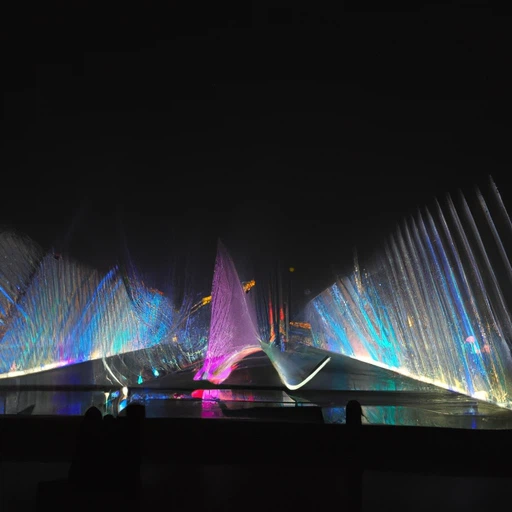
One of the main advantages of fiberglass is its affordability. It is generally less expensive than stainless steel and copper, making it a popular choice for budget-conscious consumers.
Fiberglass is also highly customizable. It can be molded into a variety of shapes and sizes, allowing for the creation of unique and personalized jet fountains. Additionally, fiberglass can be painted or coated to match the surrounding environment or decor.
Another benefit of fiberglass is its resistance to cracking and chipping. It is a strong and durable material that can withstand the rigors of outdoor use, including exposure to sunlight, wind, and rain.
However, fiberglass does have some limitations. It is not as heat-resistant as stainless steel or copper, which means it may not be suitable for use in areas with high temperatures. Additionally, fiberglass can be prone to scratching and fading over time, especially if it is not properly maintained.
Stone
Stone is a classic material for outdoor jet fountains, known for its natural beauty and durability. There are several types of stone that can be used in fountain construction, including granite, marble, and limestone.
Granite is a hard and dense stone that is highly resistant to wear and tear. It is available in a variety of colors and patterns, making it a versatile choice for creating unique and attractive jet fountains. Granite is also relatively low maintenance, as it does not require frequent sealing or polishing.
Marble is a beautiful and elegant stone that is often used in high-end fountain installations. It has a smooth and polished surface that reflects light, creating a stunning visual effect. However, marble is a softer stone than granite, which means it is more prone to scratching and staining. It also requires more maintenance to keep it looking its best.
Limestone is a sedimentary stone that is known for its warm and earthy tones. It is a relatively soft stone, which makes it easy to carve and shape. Limestone is also porous, which means it can absorb water and moisture. This can be a concern in areas with freezing temperatures, as the water can expand and cause the stone to crack.
Stone fountains are generally more expensive than those made from other materials, due to the cost of the stone and the labor involved in their construction. However, they can add a timeless and elegant touch to any outdoor space.
Concrete
Concrete is a versatile and cost-effective material that is commonly used in the construction of outdoor jet fountains. It is made by mixing cement, water, and aggregates, such as sand and gravel, to create a strong and durable material.
One of the main advantages of concrete is its affordability. It is generally less expensive than stone and stainless steel, making it a popular choice for large-scale fountain installations.
Concrete is also highly customizable. It can be molded into a variety of shapes and sizes, allowing for the creation of unique and personalized jet fountains. Additionally, concrete can be stained or painted to match the surrounding environment or decor.
Another benefit of concrete is its strength. It can support the weight of large volumes of water and withstand the pressure generated by high-powered jets. This makes it suitable for both small, residential fountains and large, commercial installations.
However, concrete does require some maintenance to maintain its appearance. It can develop cracks and chips over time, especially if it is not properly installed or maintained. Additionally, concrete can be porous, which means it can absorb water and moisture. This can lead to the growth of mold and mildew, which can affect the appearance and health of the fountain.
Conclusion
In conclusion, there are several materials commonly used in the construction of outdoor jet fountains, each with its own unique characteristics, advantages, and considerations. Stainless steel is durable, corrosion-resistant, and customizable, but can be more expensive. Copper offers a unique aesthetic and natural corrosion resistance, but requires some maintenance. Fiberglass is affordable and lightweight, but may not be as heat-resistant. Stone is a classic and elegant choice, but can be more expensive and require more maintenance. Concrete is versatile and cost-effective, but may require some upkeep.
As a supplier of outdoor jet fountains, I can help you choose the right material for your specific needs and budget. Whether you're looking for a small, residential fountain or a large, commercial installation, I have a wide range of options available to suit your preferences.
If you're interested in learning more about our outdoor jet fountains or would like to discuss your project in detail, please don't hesitate to contact us. We're here to help you create the perfect water feature for your outdoor space.
In addition to the materials discussed above, we also offer a variety of fountain types, including Outdoor Dry Fountains, Music Pulsating Fountains, and Outdoor Mobile Fountains. These fountains offer unique features and benefits that can enhance the beauty and functionality of your outdoor space.
Contact us today to start your journey towards creating a stunning outdoor jet fountain that will be the envy of your neighbors.
References
- "Materials for Outdoor Fountains." The Spruce.
- "Choosing the Right Material for Your Outdoor Fountain." Fountain Warehouse.
- "The Pros and Cons of Different Fountain Materials." Hunker.